OKR Consulting
OKR strategy exists.
Execution doesn’t reflect it.
Your OKRs are running. Your strategy still isn’t landing. That gap between intent and execution has a shape, and it can be designed out.
Our OKR consulting begins by diagnosing what’s actually broken, designing the system that closes the gap, and building the capability so you can run it without us.
Trusted by teams at




Is this you?
Six signs your OKR strategy isn’t reaching execution
These are the things leaders tell us privately. Tick the boxes that align with your situation and then take the Assessment.
0 of 6 ticked
Tick the signs that sound familiar to see where you stand.
Where do you stand? Take the Assessment nowAnswer a short set of questions and you’ll get an immediate, personalised score and specific guidance on your next best step.
The underlying problem
OKRs should bridge strategy and execution. Instead they become a status report.
But OKRs rarely land on a blank page. They get layered onto how you already work, and the existing culture quietly absorbs them.
Strategic intent is rewritten in delivery language, objectives become the projects already in flight, and key results turn into task trackers.
So the quarter becomes about being green, not about moving the outcome. Status rolls up the chain looking healthy while the strategy quietly stalls underneath it.
Free guide · PDF
Get the plain-English explainer
See where OKRs slip into status reporting, and walk into your next leadership meeting with the words to name it and fix it.
Download the free PDFHow signal degrades
That distance, between what OKRs were meant to carry and what they actually carry, is the Strategy Chasm. It’s a design problem, not a discipline problem.
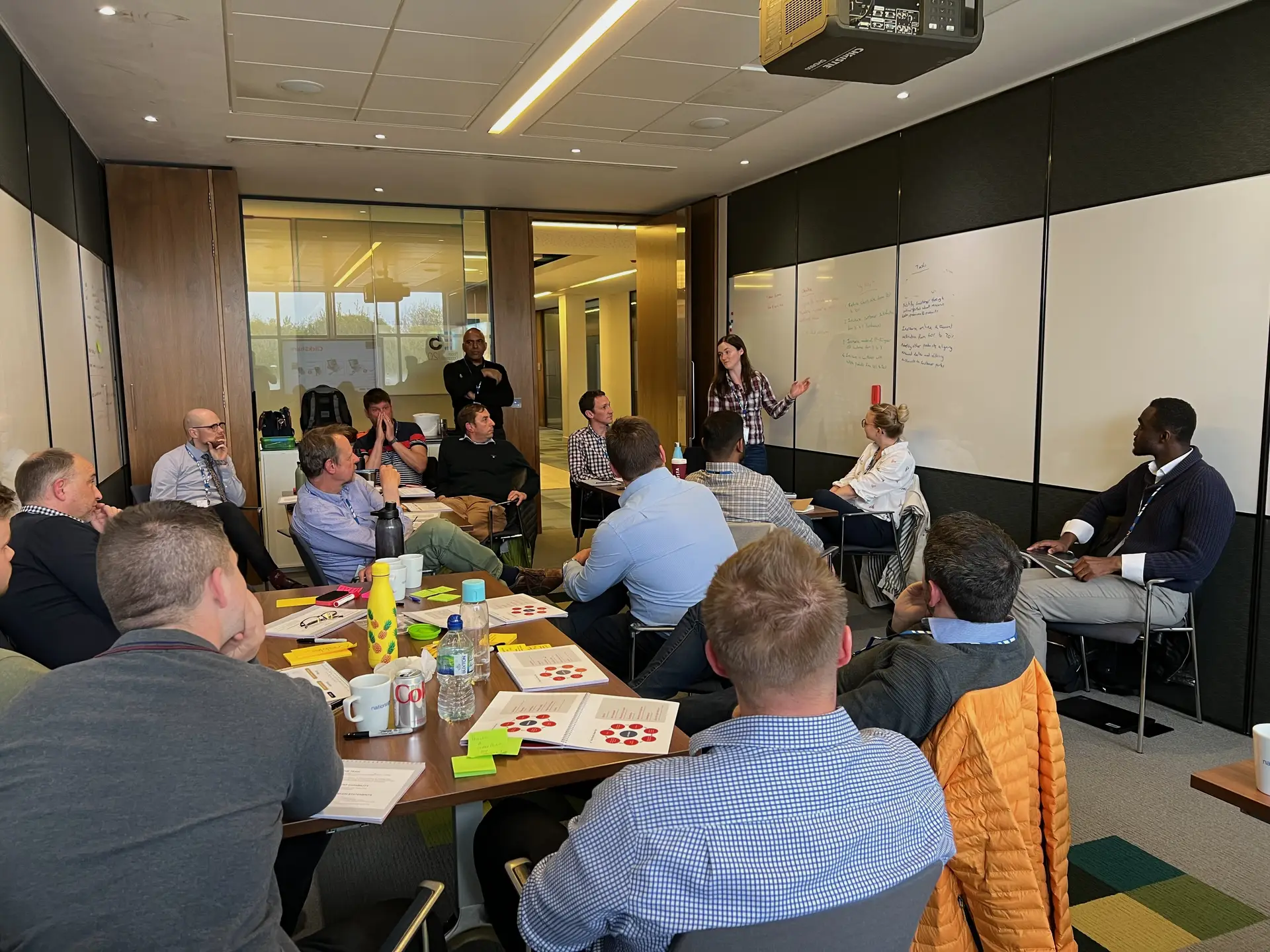
In the room
Behind every managed dashboard is a room that already knows the truth.
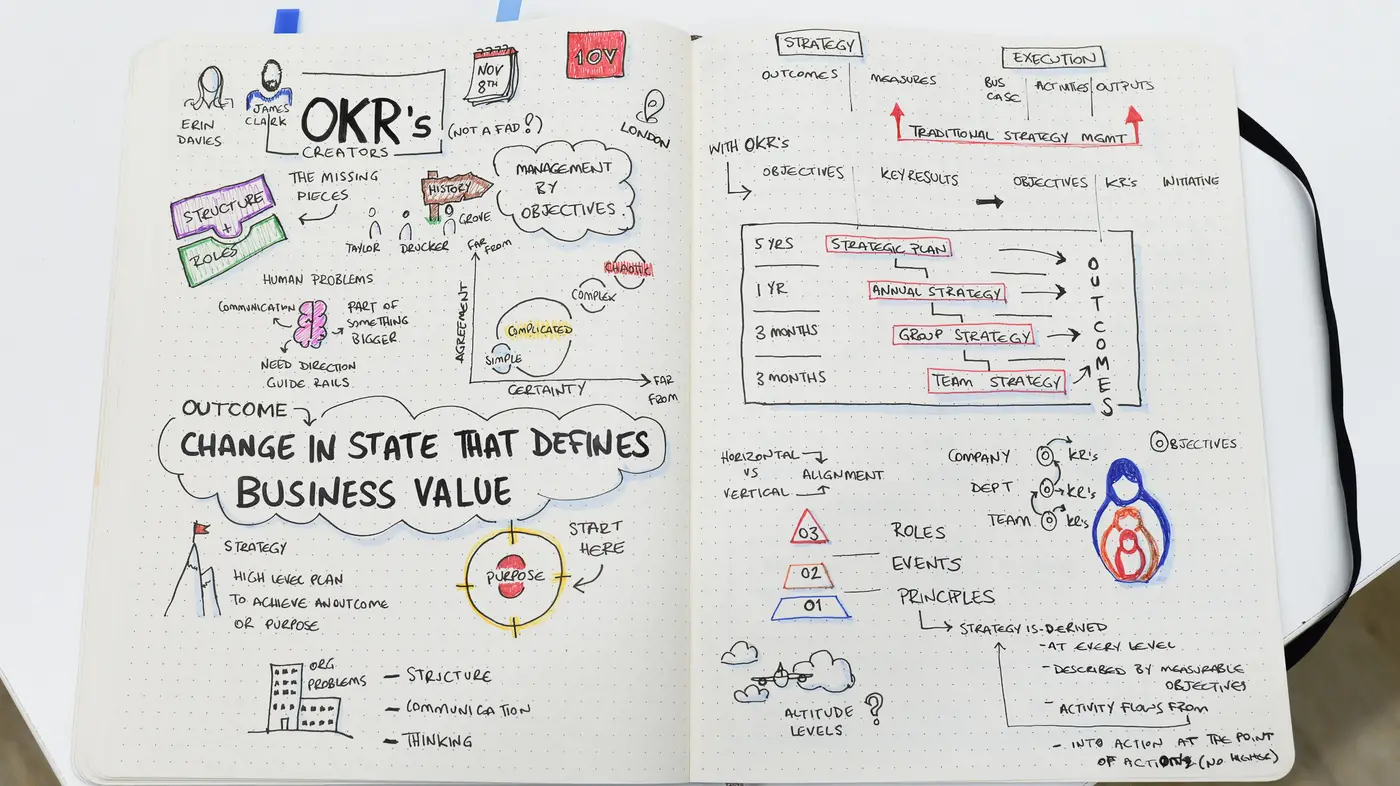
The chasm isn’t abstract. It’s the gap between what your teams live and what reaches your desk, and closing it starts with sitting in the room and listening.
How it works
Clarity. Architecture. Momentum.
One model, three phases, taking you from ‘here’s the problem’ to ‘here’s how we close it’. It’s how we run every engagement.
Free guide · PDF
Download the OKR Focus Flow guide
Our practical, four-stage guide for getting OKRs to actually work, and keep working beyond the first cycle. It’s the same playbook behind every engagement, with seven practitioner tools and a worked example so you can put it into practice yourself.
Want to see how we think before we talk?
By downloading, you agree to The OKR Hub using your details to send you this guide and occasional practical OKR insights. You can unsubscribe at any time. Privacy policy.
Rather speak to someone?
Book a free 30-minute consultationPhase 01
Clarity
See the problem honestly before fixing anything. An unflinching diagnosis of where strategy and execution have come apart, and where the signal is being lost.

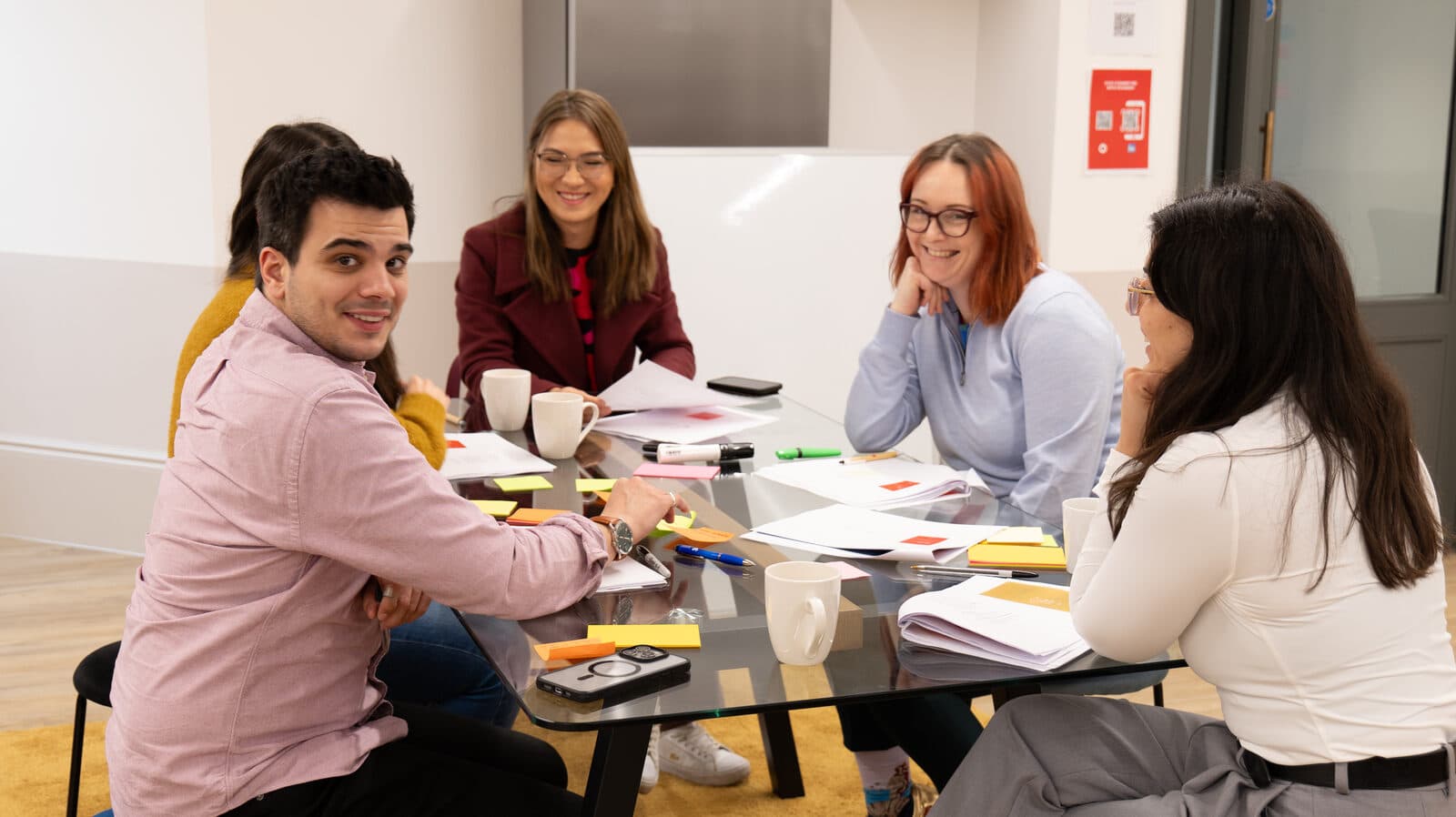
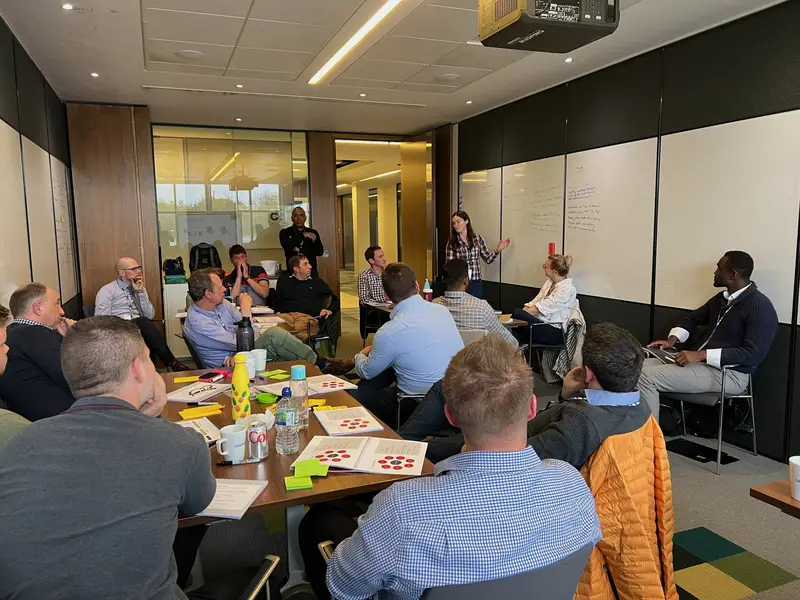
Clarity · how we look at it
We start with how you got here
Before we change anything, we work to understand the whole picture. Three lenses tell us most of what we need, and the Clarity diagnosis is built around them: what you designed OKRs to do, how that was put into practice, and what it’s like to actually use. The gaps between the three are usually where the answer is.
This is the thinking behind why you’re using OKRs. Most programmes start the same way: someone read the book or saw them working elsewhere and brought them in, often without much thought for the design. When design is an afterthought, everything built on top inherits the cracks, so we start with what you actually wanted OKRs to deliver.
This is how the design was brought to life: the rollout, the cadence, the everyday mechanics of using OKRs. It’s also where most programmes come apart. The ambition was there but the execution never followed, or the rollout was strong while the design underneath stayed shaky and has been patched ever since.
This is what OKRs are actually like for the people living with them week to week, not how they look in a board pack. It’s the truest test of the design, because intent only counts if it survives real work. When the experience is good, OKRs help people choose what matters; when it isn’t, they slowly become something to get through.
What were OKRs meant to achieve?
What we seek to understand
The problem OKRs were meant to solve, and whether success was clearly defined from the start.
How clearly that intent was shared, or whether everyone filled in the blanks for themselves.
Whether the ambition and the design were in proportion, or one ran ahead of the other.
What this tells us
Whether it was sound by design, or the gaps were there from the outset.
Take it away now · no email required
What are you actually trying to find out? Pick the one that’s nagging at you, we’ll hand you the tool we’d use to answer it.
Tap a question to reveal the tool we’d reach for.
Free overview · PDF
Not ready to book a call? Start here.
If you sense your OKRs aren’t landing and you’re weighing up outside help, this is the lower-risk first step.
See what a Clarity Diagnostic looks at, how it runs, and the six things you’d walk away with, then decide in your own time.
We’ll email the overview and the occasional practical OKR insight. Unsubscribe anytime. Privacy policy.
Phase 02
Architecture
Design the bridge. The engagement, the operating model and the deliverables that re-connect strategy to the work, built around your situation, not a package.
Architecture · designing the bridge
Good design isn’t writing OKRs.
It’s building the system that makes OKRs useful: the cascade, the cadence, the ownership and the rhythm. With the diagnosis in hand, this is what we design with you, built to your situation, not lifted from a template. It’s also worth asking how much of it you already have.
How much of this is in place?
A cascade model as simple as it can be, not more complex than your alignment actually needs.
Teams that plan with the context they need, in a sequence that surfaces dependencies early.
A genuine cycle cadence and review rhythm, not just quarterly planning that goes quiet in between.
OKRs owned by the teams that run them, not handed down as individual targets.
A governance rhythm that connects alignment, key-result reviews and outcomes, so learning loops.
One operating agreement, a Charter, so every team runs the Method the same way.
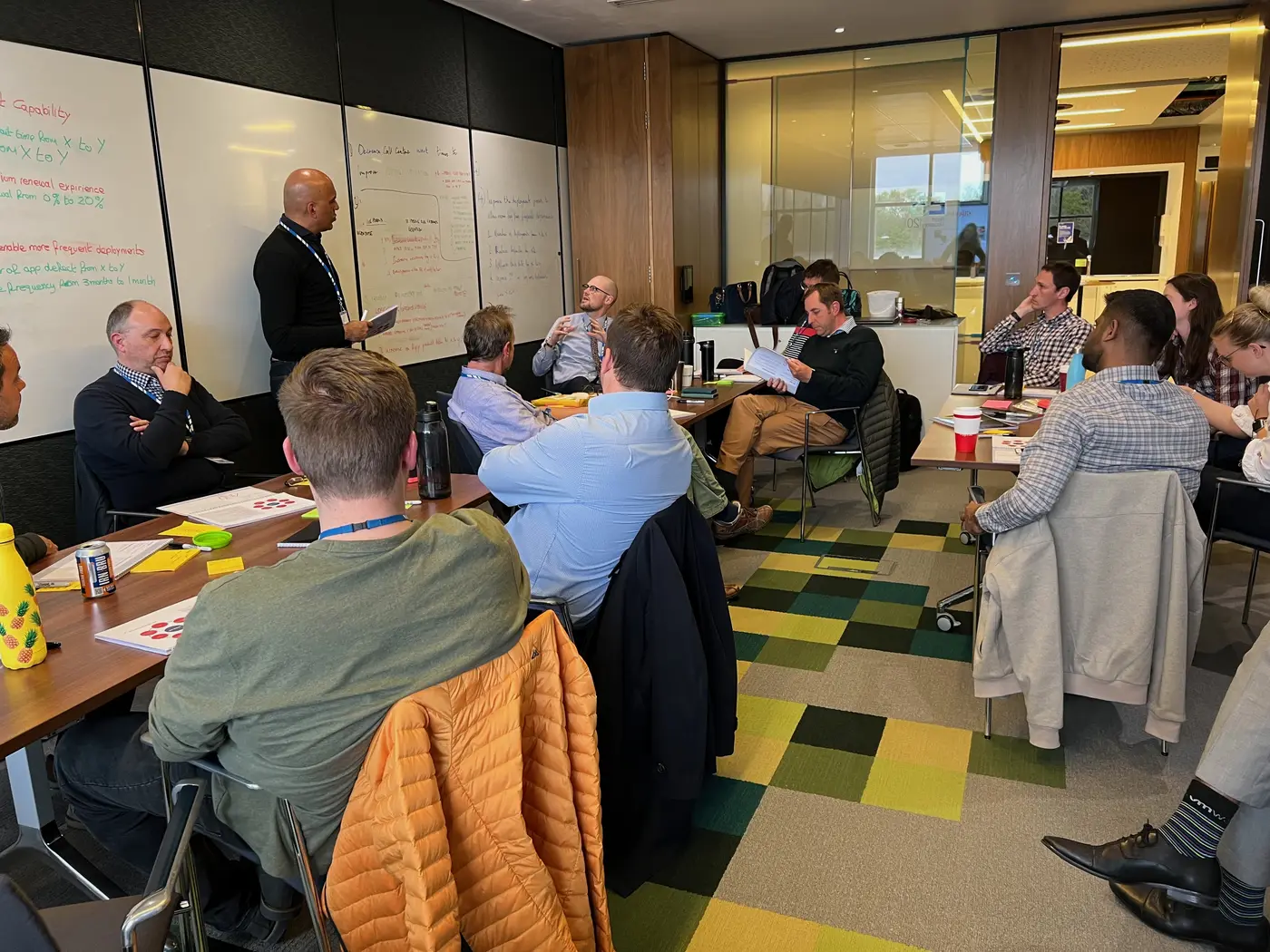
How the design gets made
Designed with you, not handed to you.
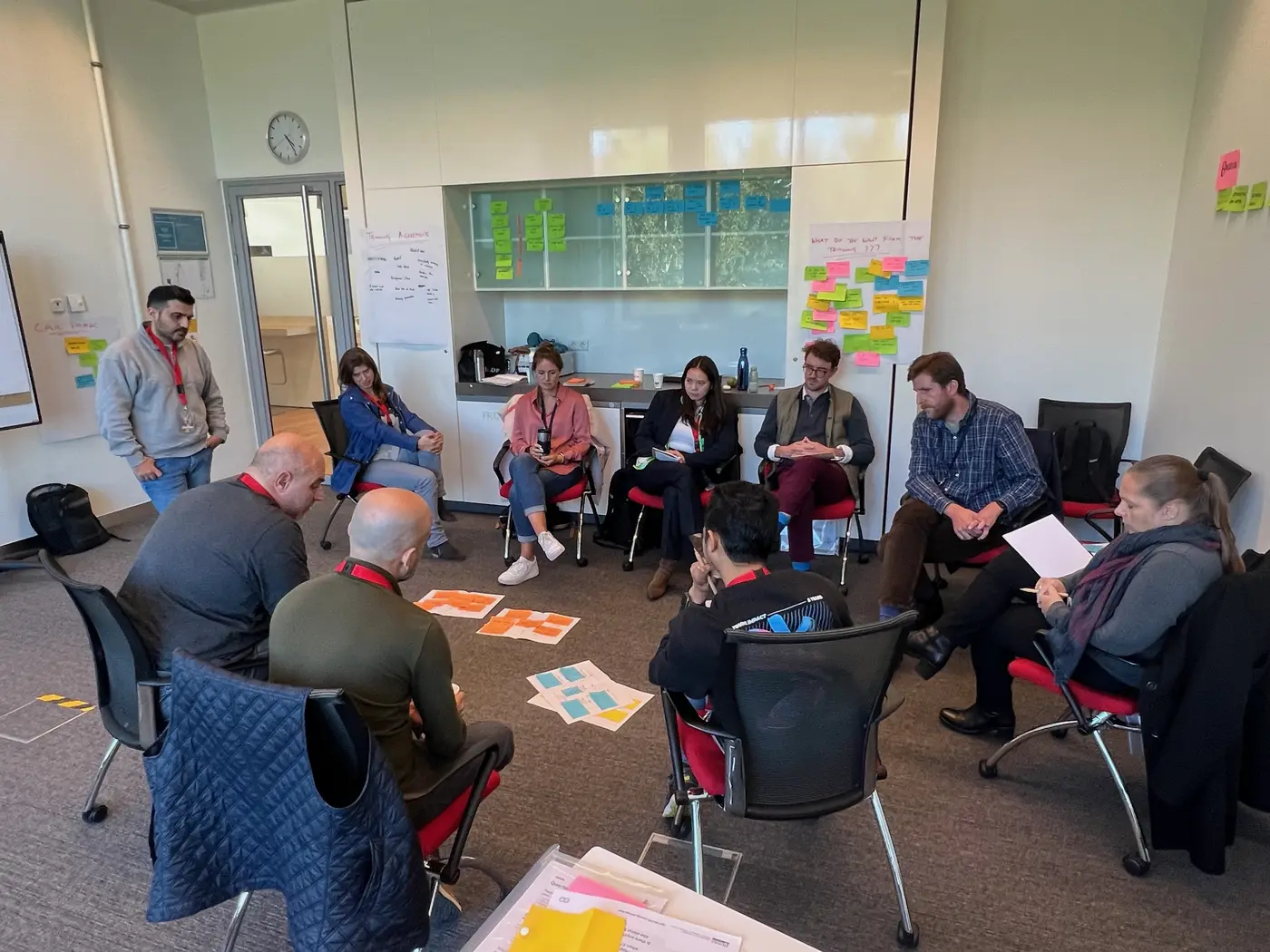
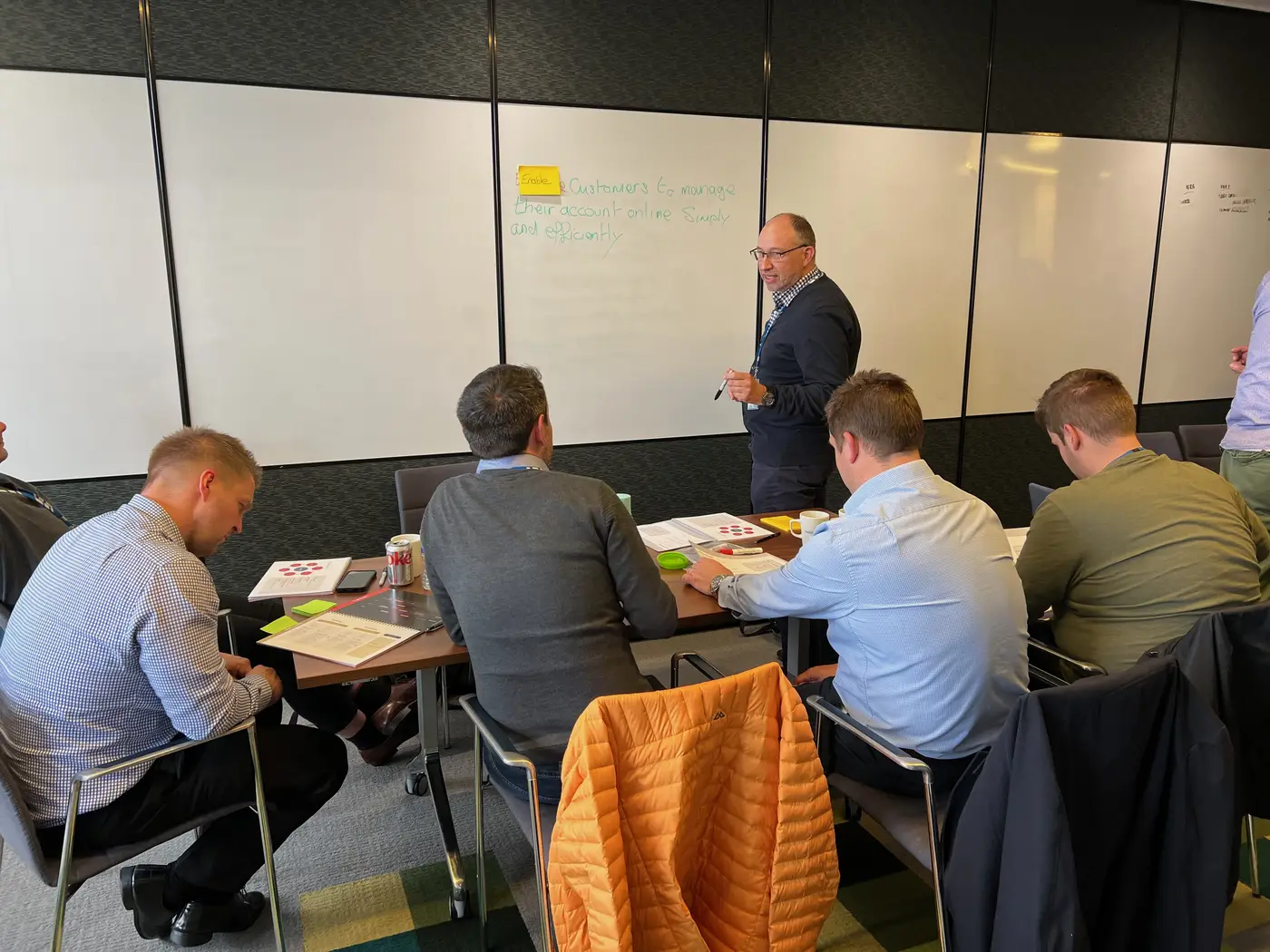
The design isn’t a document we hand over. We build and stress-test it with your leaders across facilitated Design, Refine and Align sessions, with OKR coaches alongside, so the operating model is owned by the people who’ll run it.
And a design only holds if your team can run it without us, so building that capability is part of the work.
That’s what Momentum is for.
The OKR architecture
Seven components, held together by a Charter.
A working OKR system isn’t one thing. It’s seven components designed to fit together, from the cycle and planning groups through to the teams, artefacts and calendar. The OKR Charter is the operating agreement that captures how they all work in your organisation, so every team runs the Method the same way instead of inventing their own.
Each one a deliberate decision, made in sequence.
Free template · no email
No Charter yet? Start with ours.
The operating agreement that stops every team running OKRs differently. Take ours, adapt it, and you’ve started designing your own architecture.
The next step
Let’s design yours.
A 30-minute scoping call to map what your operating model needs. No pitch, just a clear next step.
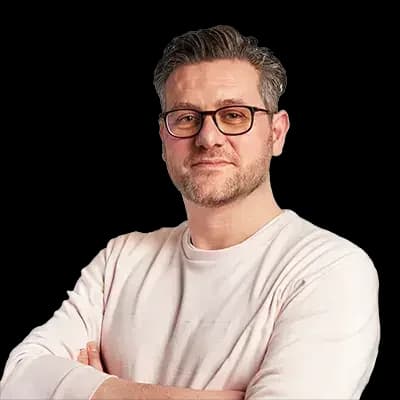
Mike Horwath
Lead consultant & founder
Phase 03
Momentum
Make it stick after we step back. The behaviours, the metrics that matter, and the internal capability that keeps strategy reaching execution, every quarter.
Momentum · the part most firms skip
Making it stick is the whole point
A framework that fades isn’t a result. Momentum is about what good looks like once we’ve gone, the metrics that prove it’s holding, and building the internal muscle to sustain it.
What good looks like
Leaders speak to outcomes, not status.
Reviews change decisions, not just colours.
Teams can name how their work ladders up.
Bad news travels up as fast as good news.
The rhythm that keeps it running
Momentum isn’t a one-off push. It’s a quarterly rhythm: align, then learn through the cycle, then reflect and act, a little sharper each time round.
One cycle, about a quarter
Weeks
What happens in each phase
Ideation & Alignment
Plan the cycle. Teams set or refine their OKRs and confirm dependencies before the quarter starts.
Learning & Insights
Through the cycle. Regular, evidence-led reviews of Key Results, adapting as the work meets reality.
Reflection & Action
Close the cycle. Inspect outcomes, capture the learning, and decide what changes next time.
Strategy down, honest signal up
The rhythm only works if it flows both ways. Each cycle, leadership sets the direction for teams to align to, and teams send honest evidence back up, so decisions get made on reality, not a managed picture.
Leadership
Sets direction and makes the calls
Direction & context, down
Set in Ideation & Alignment and the OKR Alignment Forum.
Honest evidence & outcomes, up
Surfaced in Learning & Insights reviews and Reflection & Action.
Teams
Do the work and see reality first
This is what closes the Strategy Chasm: honest signal flowing both ways, every cycle.
An honest question
How well is this actually working?
Be honest with yourself for a moment. It’s easy for OKRs to look healthy from the top: green dashboards, on-track updates, confident reviews. But green on the surface can hide red underneath, the watermelon effect, and you can’t see it from the colours. The only way to know how well your OKRs are really performing is to measure it.
Green on the surface. Red underneath.
The metrics that matter
A sample of the metrics OKR implementation owners should be capturing to see how their OKRs are really performing.
Outcome Realisation Rate
The share of quarter-defining Key Results that hit outcomes by quarter end.
Time to First Outcome
Weeks from kick-off to the first evidenced outcome shift. We aim inside six.
Progress Visibility Index
An exec survey, 0 to 100, of how clearly leaders see strategy landing. We target a +30 shift.
Training that sustains it
When the engagement ends, capability shouldn’t leave with us. We map the right training so your team can run the Method themselves.
- OKR Masterclass for leaders
- Champion certification for the internal team
- Manager enablement workshops
Ready to keep it running long after we step back?
Book a call about sustaining itWhy The OKR Hub
OKRs don’t fail from bad goal-writing.
They fail when the strategy above them is unclear, when leadership lacks honest visibility, and when the operating model was never designed to connect the two. The OKR Hub is a strategy execution practice: we design and implement OKR-based operating systems, and build the capability to run them.
“The gap between strategy and execution is a design problem.”
Mike HorwathLead consultant & founderWe start upstream, with the strategy
Most OKR consultants and tools focus on writing better goals. We work downstream from the strategy itself, making OKRs the instrument that connects leadership intent to team action.
We fix the system, not just the goals
OKRs rarely fail on wording. They fail when the strategy above them is unclear, when leadership lacks honest visibility, and when the operating model was never designed to connect the two.
We build the capability to run it
We design and implement the system, then hand it over. The engagement ends when your team can run and improve the method without us.
Who you’re hiring
Practitioners in the weeds with you, not on the sidelines
You’re in seasoned hands throughout. We’ve run this work many times over, so we get up to speed on how your organisation really works fast, and get to the substance from the first conversation, not the third month.
Lead consultant & founder
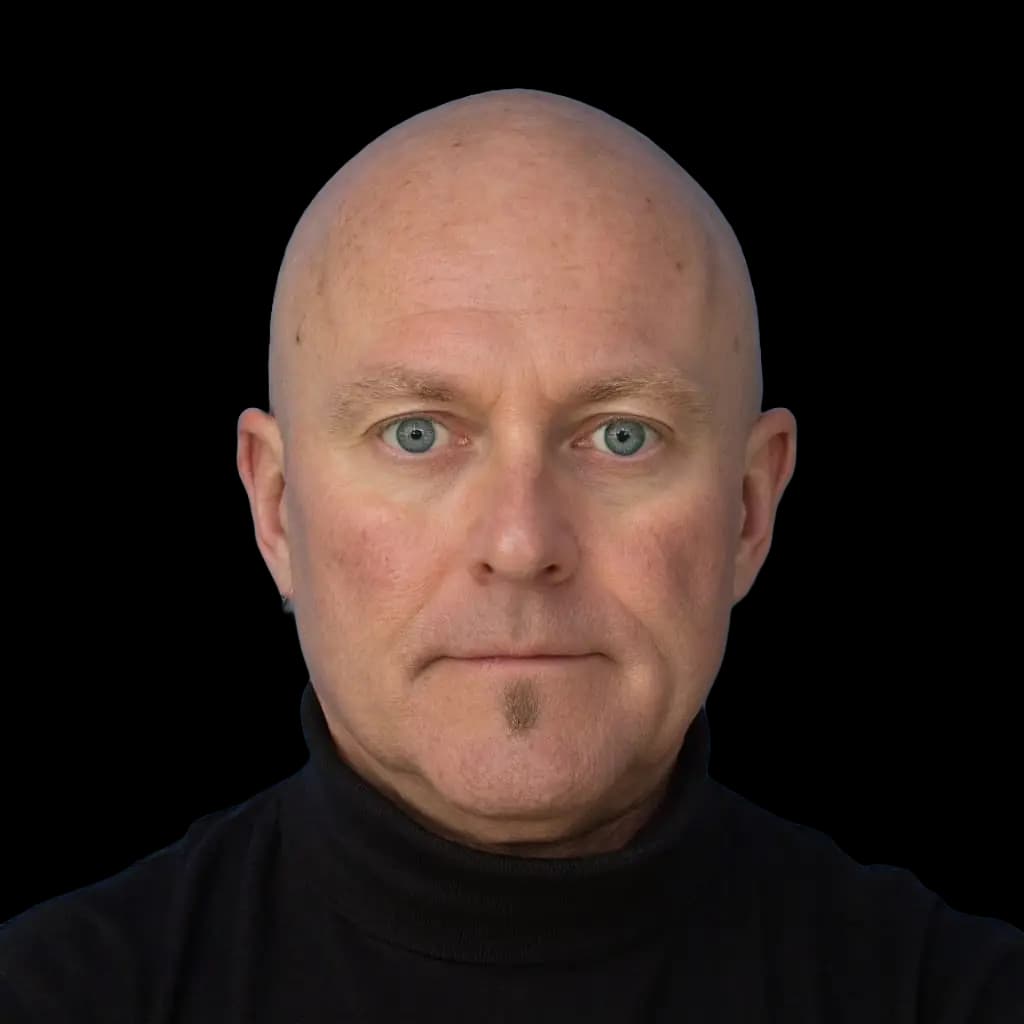
Mike Horwath
Twenty years turning strategy into execution inside organisations like the BBC, NatWest, Citibank, Shell, Capital One and Loqbox, from enterprise to scale-ups and government to the charity and education sectors, where the same execution gap shows up again and again.
Mike has worked with OKRs for over ten years, led multiple implementations, and is the author of the OKR Method and the OKR Focus Flow that underpins every engagement.
He also wrote the OKR Method certification and training courses, training over 2,000 people, certifying more than 60 OKR Coaches, and he still coaches leaders one to one.
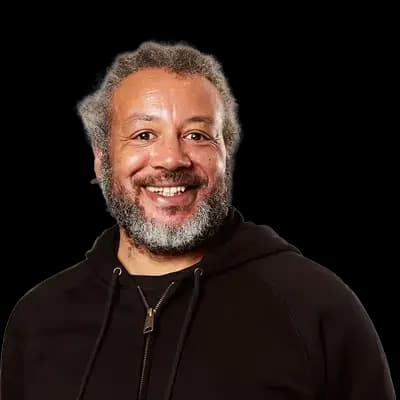
Robin Hyman
Associate · fractional
A seasoned consultant who has worked with Citibank, Rolls-Royce and NatWest. Strongest in engineering and software delivery.

Taner Kapucu
Associate · fractional
A Product and Operations specialist who has worked with Citibank, Metro Bank, Shell and Capital One.
Toby Corballis
Associate · fractional
A Chief Transformation Officer and senior change leader who ran the OKR rollout at Shell.
Not a big firm, by design. Associates are fractional support, engaged per-project.
Track record
What changed, and by how much
No star ratings. Two real engagements, anonymised, with the numbers that actually moved.
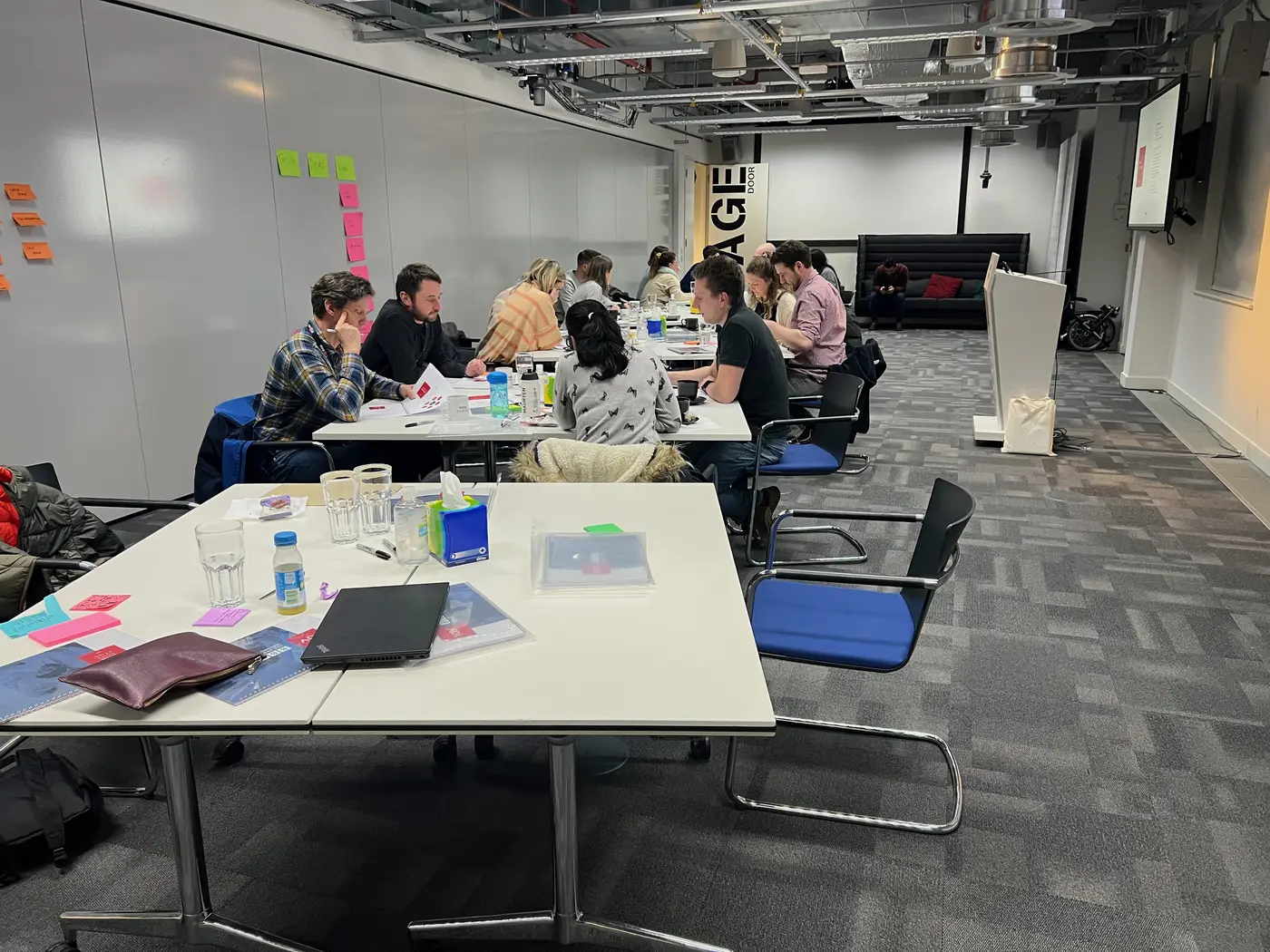
Media · Product & Technology Group
From stalled OKR attempts to real adoption
A global media company's product group had tried OKRs and stalled: teams working in silos, output-based goals, and few completing a full cycle. We designed the OKR structure and cascade, trained Product, Technology and Operations, and coached teams through live cycles to shift from outputs to outcomes.
0% → 62%
Initiative alignment
0% → 66%
Focus on outcomes
10% → 83%
Teams completing the cycle
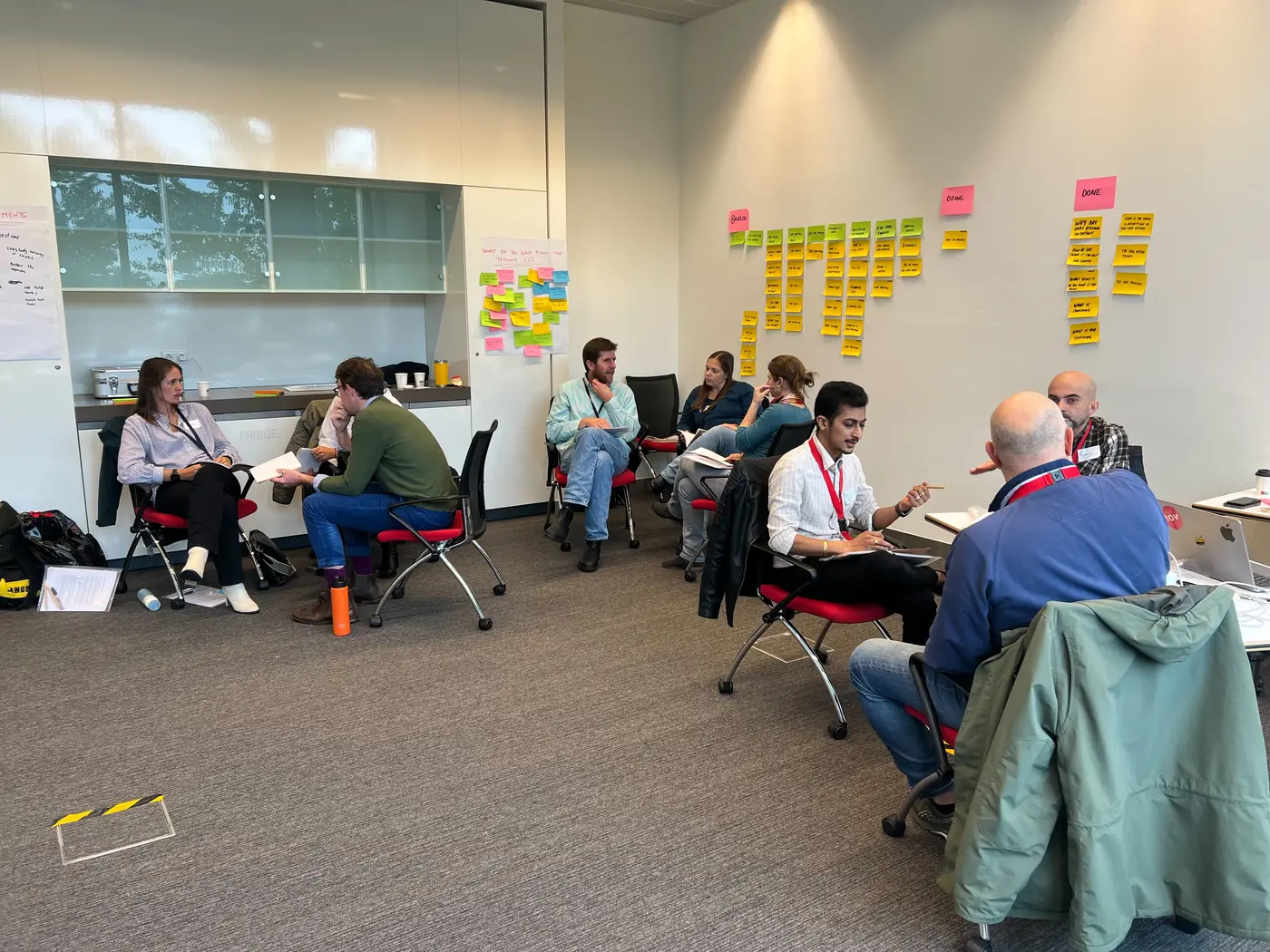
Energy · EV division
A company-wide OKR capability that runs itself
An energy company's charging division needed organisation-wide strategy visibility. We built a bespoke OKR-based management framework, trained the whole organisation, and certified a network of volunteer internal coaches, removing the dependency on outside consultants.
24
Internal coaches certified
Whole org
Trained on OKRs
Team to HQ
One view of progress
An honest qualifier
What this is, and what it isn’t
We’d rather lose the wrong engagement than win it. If you need hands to run the rollout, that’s implementation, a different service. Consulting is about judgment.
Consulting is
Senior judgment on a hard problem
- An honest diagnosis of why execution isn't following strategy
- A bespoke operating model designed for your situation
- Mike, personally, coaching your leaders through it
- A team left able to sustain it without us
Consulting isn’t
Outsourced delivery or a tool
- A team to run your OKR admin every cycle
- A software platform or a licence to buy
- An off-the-shelf framework dropped in unchanged
- A big firm where seniors sell and juniors deliver
Need hands on the rollout? See OKR Implementation.
Common questions
Questions about OKR consulting
What is OKR consulting?
OKR consulting is senior, hands-on help to make OKRs actually connect strategy to execution, rather than training on how to write goals. It starts with the strategy-execution problem, diagnoses why OKRs aren't landing, designs the operating model to fix it, and builds the capability for your team to run it.
Why aren't our OKRs working?
Usually it isn't the goal-writing. OKRs stall when the strategy above them is unclear, when leadership lacks honest visibility into what's really happening, and when the operating model was never designed to connect intent to action. The fix is to diagnose which of those is driving it, then redesign the system so OKRs carry strategy to the work.
Why do OKRs fail?
OKRs rarely fail on wording. They fail when objectives don't ladder to strategy, when reviews track colours instead of outcomes, and when honest signal gets filtered out as it travels up the organisation. It's a design problem, not a discipline problem.
What is the difference between OKR consulting and OKR implementation?
Implementation is a time-bound project to get your first OKR cycle live and working. Consulting is for what comes after, or for problems bigger than a rollout: OKRs already running but not landing, an unclear strategy above them, or an operating model that was never designed to connect the two.
When should you hire an OKR consultant?
When OKRs are running but no longer changing decisions or outcomes, when reports look green while results stay flat, or when a new strategy isn't reaching the teams meant to deliver it. If the problem is bigger than writing better goals, that's the point to bring in outside help.
How much does OKR consulting cost?
There is no fixed price grid, because the right scope depends on what the diagnosis surfaces. The shape of the work and a clear next step are agreed on a scoping call before any commitment, so you know exactly what you are buying.
How long does it take to fix OKRs that aren't working?
A focused diagnostic runs over a few weeks. A fuller redesign and embed typically spans two live quarters, so the changes are tested against real cycles rather than just designed on paper.
The next step
Let’s have a conversation first.
No proposal, no pitch deck. Thirty minutes with Mike about where strategy and execution have come apart, and whether we’re the right people to help.
Mike HorwathLead consultant & founder